Case Study - Ravi - Home Care
X

Case Study - Ravi

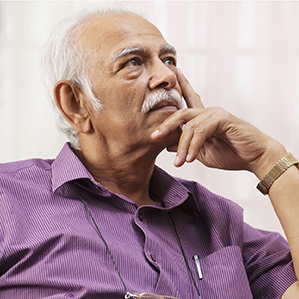
Ravi is a 77-year-old man living with his daughter Sunita (42 years old) and her family, at their home. Ravi has ischemic heart disease, hypertension, chronic obstructive pulmonary disease (COPD) and Type 2 diabetes. These conditions have led to significant physical decline over the past year, contributing to decreased mobility, several hospitalisations, and increased, severe fatigue. He describes low appetite, increasing swelling of his legs, feet and ankles, and growing shortness of breath, which is starting to occur event when he is at rest. Ravi currently receives an in-home aged care services through the Support at Home program, including assistance with personal care.

Over time, Ravi’s physical health has impacted his mental health and wellbeing. Ravi ruminates about his growing dependence on his daughter, his reduced physical abilities, and a profound loss of a sense of identity and meaning. His GP has identified that he has moderate depression.

Sunita is Ravi’s primary carer and his only child. Sunita balances caring for Ravi with part-time work and parenting her two teenage children. Sunita and Ravi are both estranged from Sunita’s mother, since she and Ravi divorced about 25 years ago. Sunita and Ravi have a very close relationship, although Ravi often feels guilty about the impact of his increasing needs on Sunita’s day-to-day routine, and on her partner and their children. He also knows that Sunita and her partner are under financial stress. Still, Sunita is very clear about being committed to caring for Ravi at home, in line with him previously expressing his wish to remain at home for the rest of his life.

Prior to his health worsening, Ravi was involved over many years in a community garden, where he found a sense of meaning and connection with others. Ravi stopped attending in recent months due to his limited mobility and fatigue. Two of his closest friends from the garden have died in the past 2 years, and another is in very poor health.

Ravi identifies as Hindu. While he appears to hold some related beliefs and values to be important, he is not strongly engaged in practices related to his faith. He has begun to reflect heavily on his estrangement from Sunita’s mother and voices some regrets about aspects of their relationship.

This case study can be used to demonstrate how to assess Ravi’s palliative care needs, how to provide for these needs, and how the multidisciplinary team can work together to provide holistic care – at home.

The case study links to three of the ELDAC care model elements – Assess Palliative Care, Provide Palliative Care and Work Together. As you work through the case study you might find other elements within the ELDAC Care Model useful to review.

  • Physical wellbeing

  • Social and occupational wellbeing

  • Psychological wellbeing

  • Spiritual wellbeing

  • Explore Ravi's physical needs, including:
    - His experience and perception of his symptoms - what is concerning him most?
    - The impact of his symptoms.
  • Use the Symptom Assessment Scale (SAS) (577kb pdf) to support this discussion and identify the most important physical problems.
  • Review the identified issues thoroughly, in particular, Ravi's
    -
     severe fatigue
    shortness of breath/dyspnoea
    - swelling of legs, feet and ankles
    - low appetite
    - decreasing mobility.
  • Review the impact of previous management of each of these symptoms.
  • Alongside comprehensive physical assessment and measurement of vital signs, also use clinical tools to review the identified symptoms over time, including:
    - The Modified Borg Scale (181kb pdf) to measure the sensation of breathlessness.
    - Also consider using the Australia-modified Karnofsky Performance Scale (AKPS) (37kb pdf) to get a sense of measure of Ravi's overall function and current ability to perform activities of daily living.
  • Consider at what point Ravi may need additional assistance should management of these symptoms become complex (e.g. referral to a Specialist Palliative Care Service, if not already involved). 
  • Consider the way in which Ravi’s current health issues impact him, as well as Sunita and her family. In particular, he way that Ravi’s changing health seems to drive concerns about his daughter and family. 
  • Explore Ravi’s social wellbeing through initial questions related to:
    • ​​​​​​Family Support: e.g. “What worries you most when you think about Sunita and her family?” 
    • Emotional and social support: e.g. “Who do you feel most supported by at the moment?”; What sort of support do they provide?”; “Are there other kinds of support that you feel you need, but haven’t received?”
    • Practical concerns: e.g. Do you have concerns about what you will need in future, including help with your care, financial issues, or other practical matters?
  • Take this opportunity find out whether Ravi has:
    • discussed advance care planning, including his preferences for intervention and place of care
    • made an Advance Care Directive or
    • appointed a substitute decision-maker.
  • Consider planning a meeting with Ravi and Sunita to discuss:
    • Ravi’s care needs and whether he would like to discuss advance care planning.
    • Sunita’s support needs as a carer (e.g. psychological, financial) that may require referral for other services and support.
    • Other assistance that may be needed now or in the future (e.g. an increase in home care services, or referral to the End-of-Life Pathway through the Support at Home program.
  • Ravi’s depression may be worsened by the changes in physical symptoms and reduced social interaction (i.e. especially no longer attending the community garden), due to decreased mobility. Be aware of the other issues that may also impact Ravi’s psychological wellbeing at the moment, including:
    • Grief related to the death of two close friends and poor health of another.
    • Reviewing possibly painful aspects of his past relationship with Sunita’s mother and dealing with challenging feelings such as regret or guilt.
  • Assess Ravi’s psychological wellbeing through initial questions that gently explore:
    • Mood - e.g. “What is your mood like at the moment, Ravi?”; “Is there anything that brings you comfort or that you look forward to?”
    • Coping with/impact of illness  – e.g. “What is your understanding of what’s happening at the moment?”, “How have the changes in your health impacted your thoughts and feelings?”
    • Past mental health concerns  – e.g. “How have you managed your most difficult thoughts and feelings in the past?”, “Do you receive any help or support with this at the moment?”, “Have you had much help with this in the past?” (e.g. psychological therapy/counselling, medication)?
  • Consider at what point you might liaise with Ravi’s GP, if you identify that his psychological wellbeing is worsening (e.g. increased withdrawal, suicidal ideation).
  • Review Ravi’s spiritual needs, beliefs and sources of meaning or distress. Although he is not strongly engaged in religious practices related to his faith, it is still important to explore with openness and curiosity any beliefs and values that are important to him, as they may shape the way you care for Ravi.
  • Explore issues such as:
    • Sources of hope/comfort/peace  – e.g. “Does anything give you comfort at the moment, even in a small way?” (e.g. being in natural settings, given the community garden has been important in the past for Ravi).
    • Personal practices or beliefs  – e.g. “Which beliefs or values matter most for you at this time?” “Is there anything you do (or someone can do for you), to support these at the moment?”
    • Impact on care
      Examples include – e.g. “How can we respect these beliefs and values in the way we care for you?”
  • Document your assessment according to the required policy or guidelines within your organisation. 
  • Discuss this assessment with others involved in Ravi’s care, which may mean liaising with Ravi’s General Practitioner, with the person coordinating his in-home aged care, or with any other involved health services, clinicians or care workers. 
  • Support and engage in planning to provide palliative care for Ravi for Ravi.
  • Consider how you might work together with others engaged in Ravi’s care to meet his palliative care needs.

The care plan for Ravi will involve ongoing assessment, symptom management, and holistic support. Approaches to addressing the issues within each domain of care are summarised below.

To explore ways in which different people involved in Ravi’s care can work together to deliver palliative care at home, see the Work Together element of this case study [Include link here to work together section which relates to work together element].

  • Physical wellbeing

  • Social and occupational wellbeing

  • Psychological wellbeing

  • Spiritual wellbeing

Ravi’s physical symptoms are regularly monitored and managed, including:
Fatigue and decreasing mobility:

  • Care planning for Ravi involves energy conservation (e.g. planned rest periods), and pacing activities for Ravi’s capacity (e.g. reviewing the timing of his personal care so that showering might be more aligned with times of higher energy for Ravi.
  • Assistive devices (e.g. walker, wheelchair, shower chair) are considered to support Ravi’s mobility and minimise fatigue.

Shortness of breath/dyspnoea:

  • When Ravi is resting, non-pharmacological interventions are integrated, such as positioning (e.g. using pillows to elevate Ravi’s head) to ease his breathing, and the flow of fresh air from window or small fans.
  • Oxygen therapy is considered with Ravi’s GP.
  • In future, opioid medications (morphine) may be used as needed to reduce dyspnoea by reducing the sensation of breathlessness.
  • Daughter Sunita receives education to support her to respond to Ravi’s shortness of breath (e.g. through a discussion, drawing on caring@home’s tip sheet that assists carers to recognise and manage shortness of breath at home).

Swelling of legs, feet and ankles (peripheral oedema):

  • Diuretic medications are considered given these may reduce oedema.
  • Ravi is encouraged to keep his legs elevated when sitting or lying down, to support circulation.

Low appetite:

  • High-calorie liquid supplements (e.g. Sustagen, ensure) are considered to support nutrition.

Strategies that consider Ravi’s loss of social connection and his worries about his daughter and her family, including:

  • Exploring whether Ravi is open to receiving visits at home (e.g. from friends at the Community Garden) or connecting with others via virtual forms of communication, when in-person visits are difficult.
  • Considering whether simple outings may be feasible when daughter Sunita is available.
  • Discussing whether Ravi and Sunita are open to receiving additional services through the Support at Home program (e.g. respite to provide some relief for Sunita and to also to some extent reduce Ravi’s sense of guilt about his level of dependence).
  • Sharing the CarerHelp resources with Sunita, particularly in relation to her possible emotional and practical needs – as well as taking opportunities to review her self-care and wellbeing over time.

Ravi’s psychological needs are reviewed and supported over time, through:

  • Recognising and normalising Ravi's feelings during usual, ongoing care and interactions. For instance – “It seems like you’re feeling pretty flat today, Ravi. I can imagine you might feel a bit lost sometimes, especially without your regular time at the garden. What have things been like for you lately?  This is followed by taking time to listen and validate the related feelings.
  • Taking opportunities to recognise and honour Ravi’s grief, given the loss of his two friends, and another possible pending loss and anticipatory grief that may be associated with his other friend in poor health. For instance – “I would expect that you often miss your friends, Ravi. If you do want to talk about them, I’d love to hear a bit about what they were like…”
  • Reviewing whether specialist psychological interventions (e.g. psychologist, social worker, counsellor) have been helpful in the past, and whether Ravi is open to receiving this form of support with his depression and life review. For instance, consider whether a mental health care plan, with the support of Ravi’s GP, may be appropriate. 

Ravi’s spiritual needs, identified through assessment, are considered across all aspects of his care and support, and may include:

  • Assisting Ravi to identify some meaningful or purposeful activities that are manageable for him currently (for example, cultivating some smaller plants at home).
  • Supporting his need to review aspects of his past relationship with Sunita’s mother through empathic, non-judgemental listening.
  • Supporting Ravi to engage in any activities that he identifies to be aligned with important values (for instance, supporting his sense of duty to show care for his daughter and grandchildren through creating voice recordings of his significant memories with them).

Palliative care can be provided at home by clinicians and care workers across home care, primary care, and specialist community palliative care. The provision of palliative care is collaborative. While some roles are focused on different domains of wellbeing, each role has the potential to positively impact all four domains of wellbeing .

  • General Practitioner

  • Registered Nurses

  • Care Workers

  • Allied Health Workers

  • Home Care Provider

The General Practitioner (GP) oversees Ravi’s medical care and liaises as needed with other involved services, through:

  • Prescribing, reviewing and adjusting Ravi’s medications to manage his dyspnoea, fatigue and oedema.
  • Supporting Ravi’s mental health needs, including potentially overseeing prescription of medication for Ravi’s depression.
  • Ensuring that the ongoing approach to palliative care is aligned with Ravi’s goals of care.
  • Exploring advance care planning with Ravi, including planning for the last days of Ravi’s life, and who he would like to make decisions for him if he does not have capacity to decide.
  • Coordinating and liaising with specialist care (e.g. cardiology, specialist palliative care) as needed.
  • Collaborating with others engaged in Ravi’s care to ensure they are updated on any changes in Ravi’s condition as needed.

Registered Nurses whether within in-home aged care (Support at Home) or affiliated with a health service (e.g. a specialist community Palliative Care service) play a central role in coordinating Ravi’s overall care, ensuring his symptoms are well-managed, and supporting continuity of care, through tasks that may include the following:

  • Regular assessment of Ravi’s physical symptoms and potentially administering some medications.
  • Assessment and regular review of the other domains of wellbeing (psychological, social and spiritual).
  • Assessment, care planning, coordination and collaboration with others engaged in Ravi’s care, including communicating about any changes.
  • Exploring advance care planning with Ravi, including planning for the last days of Ravi’s life, and who he would like to make decisions for him if he does not have capacity to decide.
  • Providing emotional and spiritual support in the course of ongoing interactions with Ravi.
  • Communication with Ravi and Sunita about changes in his condition and management of symptoms.

Care Workers play an important role in delivering holistic palliative care for Ravi through:

  • Observing any changes in Ravi’s condition, such as signs of discomfort, changing physical symptoms, decreased mobility, or changes in emotional or psychological wellbeing.
  • Reporting any changes to their supervisor or manager to ensure these are appropriately communicated to others involved, and that any needed adjustments to the care plan are made promptly.
  • Assisting with Ravi’s personal care, including hygiene, dressing, and showering.
  • Offering companionship and reassurance when providing respite, to reduce Ravi’s sense of isolation.
  • Providing basic emotional and spiritual support, including listening with empathy to Ravi’s feelings, as well as Sunita’s.

Allied Health Workers may play a key role in a holistic, multi-disciplinary approach to Ravi’s care, comfort and safety. Allied health workers may be engaged through in-home aged care, through involved health services (e.g. specialist community palliative care team), or privately – for example:

  • An occupational therapist can undertake further assessment of Ravi’s needs and the home environment, and arrange appropriate equipment, including walkers or wheelchairs, shower chairs, and lifting/transfer devices.
  • A social worker can undertake psychosocial assessment and provide counselling and support regarding emotional and practical concerns (e.g. financial issues), as well as assist with referral to other community services and supports.
  • A psychologist or Accredited Mental Health Social Worker can deliver focused psychological strategies for Ravi, to address symptoms of his depression, grief, and interpersonal concerns related to his relationship with Sunita and past relationship with her mother.
  • A dietician can review Ravi’s low appetite and explore approaches to support nutrition and hydration.

The Home Care Provider delivers Ravi’s in-home aged care services to support continuity of care and his wish to remain at home, through:

  • Coordinating in-home aged care services
  • Providing appropriately trained staff for personal care and respite services for Sunita
  • Ongoing liaison and discussion with Ravi and Sunita about evolving needs and preferences as these relate to in-home aged care.
  • Ensuring care is aligned with the Strengthened Aged Care Quality Standards and is continuously evaluated and improved.

You can also specifically explore approaches to assessing and providing for Ravi’s palliative care needs.